Bathrooms without windows may seem like an impossible place to keep plants alive, but with the right plant choices and care strategies, they can become lush, calming green spaces.
Many indoor plants actually thrive in low light, warm temperatures, and high humidity, making them perfect for windowless bathrooms.
In this post, I’ll discuss 15 top indoor plants that can survive and even thrive in bathrooms without windows, along with detailed care tips, lighting solutions, and common mistakes to avoid.
Why Bathrooms Without Windows Are Challenging for Plants
A windowless bathroom creates a unique environment that differs from other rooms in the home:
- No natural sunlight, which most plants rely on for photosynthesis
- High humidity from showers and baths
- Limited air circulation, especially in small spaces
- Fluctuating temperatures throughout the day
While these conditions may harm sun-loving plants, many tropical and shade-tolerant species are naturally adapted to similar environments found on forest floors.
What Makes a Plant Suitable for a Windowless Bathroom
Ability to Tolerate Low or No Natural Light
Plants that evolved under dense tree canopies are accustomed to minimal light. These plants grow slowly, conserve energy efficiently, and can survive under artificial lighting.
Love for High Humidity
Bathrooms mimic tropical conditions. Plants that enjoy moisture in the air often develop healthier, glossier leaves in bathrooms than in dry living spaces.
Slow Growth and Strong Root Systems
Slow-growing plants require less energy and fewer nutrients, making them ideal for low-light areas.
Low Maintenance Requirements
Bathroom plants should tolerate occasional missed waterings, irregular care, and minimal fertilization.
Lighting Tips for Bathrooms Without Windows
Even low-light plants need some form of light to survive. LED grow lights are the most effective solution
Full-spectrum or daylight bulbs work well for most plants. Keep lights on for 8–12 hours per day. Position lights above or slightly in front of plants.
Simple plug-in grow lights or ceiling fixtures with daylight bulbs are usually enough to keep plants healthy.
15 Top Indoor Plants for Bathrooms Without Windows
Snake Plant (Sansevieria)
The snake plant is one of the most reliable choices for a windowless bathroom because it tolerates extremely low light and irregular care better than most houseplants.
Its thick, upright leaves store water efficiently, allowing it to survive longer periods between watering, which is especially useful in humid bathrooms where soil dries slowly.
Snake plants are also resistant to moisture-related issues such as leaf rot and mold, making them a dependable, low-maintenance option for dark bathroom corners, floor spaces, or areas near sinks and toilets.
ZZ Plant (Zamioculcas zamiifolia)
The ZZ plant is exceptionally well-suited to bathrooms without windows due to its ability to grow in near darkness. This plant has thick underground rhizomes that store water, enabling it to withstand both low light and occasional neglect.
Its glossy, deep-green leaves reflect artificial light beautifully, adding a polished look to bathroom décor. Because it prefers drying out slightly between waterings, the ZZ plant performs well in humid environments where overwatering is a common issue.
Pothos
Pothos is a versatile and forgiving plant that adapts easily to low-light bathroom conditions. Its trailing vines create a soft, cascading effect that works especially well on shelves, towel racks, or in hanging planters.
Pothos benefits from bathroom humidity, which keeps its leaves vibrant and reduces browning at the edges. Even in artificial light, it maintains steady growth and can be easily pruned to control size or propagated to create new plants.
Cast Iron Plant
The cast iron plant earns its reputation as one of the toughest indoor plants available, making it ideal for windowless bathrooms. It tolerates deep shade, fluctuating temperatures, and inconsistent watering without showing signs of stress.
Its broad, dark-green leaves are thick and resilient, allowing the plant to handle moisture-heavy air without developing fungal problems. Because it grows very slowly, it maintains a tidy appearance and rarely needs repotting.
Peace Lily
Peace lilies are well known for their ability to adapt to low-light environments, including bathrooms without windows. They thrive in warm, humid air, which closely mimics their natural tropical habitat.
While they prefer consistently moist soil, peace lilies are excellent communicators and will droop slightly when they need water. With proper care and artificial lighting, they may even produce their signature white blooms, adding elegance and softness to bathroom spaces.
Chinese Evergreen (Aglaonema)
Chinese evergreen plants are prized for their decorative foliage and tolerance of shade. wide varieties feature patterned leaves with silver, green, or soft red accents that brighten dim bathrooms without overwhelming the space.
These plants enjoy humidity and stable temperatures, both of which are commonly found in bathrooms. Their compact growth habit makes them suitable for countertops, plant stands, or shelves where space is limited.
Lucky Bamboo
Lucky bamboo is an excellent option for windowless bathrooms because it grows well under artificial light and can thrive in either soil or water.
When grown in water, it requires minimal maintenance beyond regular water changes to prevent stagnation. The plant enjoys warm, humid conditions and maintains a clean, modern appearance that works especially well in minimalist or spa-inspired bathrooms.
Ferns (Boston Fern or Bird’s Nest Fern)
Certain fern varieties perform surprisingly well in bathrooms without windows, particularly Boston ferns and bird’s nest ferns. These plants naturally thrive in humid environments, and bathroom steam helps keep their foliage lush and vibrant.
While ferns generally prefer indirect light, bird’s nest ferns tend to tolerate lower light levels better than other types. Proper air circulation is important to prevent fungal issues, especially in consistently damp spaces.
Spider Plant
Spider plants are adaptable, resilient, and easy to grow, making them a great choice for low-light bathrooms. They tolerate artificial lighting well and benefit from increased humidity, which helps prevent leaf tip browning.
Over time, spider plants produce small offshoots, or “babies,” that add visual interest and can be propagated into new plants. Their arching leaves look especially attractive in hanging planters or elevated containers.
Philodendron
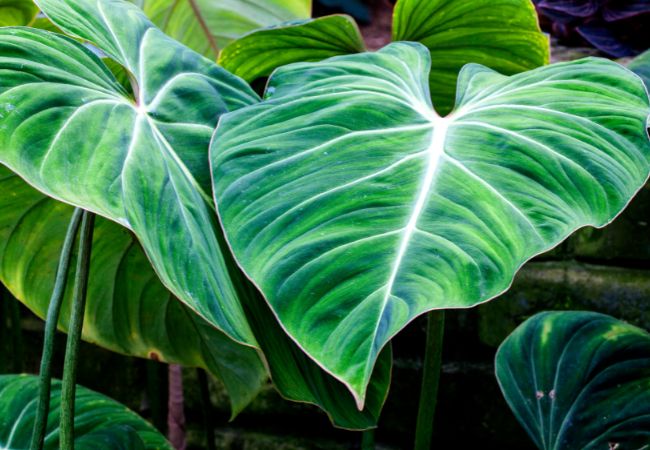
Philodendrons, particularly heartleaf varieties, are well-suited to bathrooms without windows because they naturally grow under forest canopies where light is limited.
These plants adapt easily to artificial light and enjoy the moisture in bathroom air. Their flexible growth habit allows them to trail, climb, or remain compact depending on how they are pruned and displayed.
With minimal watering and occasional trimming, philodendrons remain healthy and attractive for years.
Parlor Palm
The parlor palm is a classic indoor plant that thrives in shaded environments, making it an excellent choice for windowless bathrooms. It grows slowly and remains relatively compact, which is ideal for small spaces.
This palm appreciates high humidity and warm temperatures, both of which help keep its delicate fronds soft and green. Its upright form adds height and elegance without overwhelming the room.
Dracaena
Dracaena plants are known for their durability and adaptability, especially in low-light conditions. Their long, arching leaves add structure and visual interest to bathroom interiors.
Dracaenas tolerate humidity well but prefer their soil to dry slightly between waterings, which helps prevent root rot. With proper care, they remain healthy and attractive even in bathrooms that rely entirely on artificial lighting.
English Ivy
English ivy is a trailing plant that adapts well to low light and humid air, making it suitable for windowless bathrooms. It grows attractively in hanging baskets or along shelves, where its vines can cascade naturally.
English ivy also benefits from the moisture in bathroom air, which keeps its leaves supple and vibrant. Regular trimming helps maintain its shape and prevents it from becoming too dense.
Calathea
Calatheas are valued for their striking foliage patterns and rich coloration, which add visual interest to dim bathroom spaces. These plants thrive in high humidity and prefer indirect artificial light rather than direct exposure.
While calatheas can be sensitive to water quality and inconsistent care, bathrooms often provide the stable moisture levels they need to flourish. Using filtered or distilled water helps prevent leaf damage and curling.
Monstera (Small or Young Plants)
Young monstera plants can adapt well to windowless bathrooms when provided with adequate artificial lighting. While mature monsteras prefer brighter conditions, younger plants grow more slowly and tolerate shade better.
High humidity encourages healthy leaf development and reduces the risk of dry edges. Placing the plant in the brightest available spot under artificial light helps maintain balanced growth and leaf shape.
How to Care for Bathroom Plants Without Windows
Watering: High humidity reduces watering frequency, so always check soil moisture first. Overwatering is the most common mistake.
Soil and Drainage: Use well-draining potting mixes and always choose pots with drainage holes. Also, empty saucers regularly.
Air Circulation: Run exhaust fans after showers. In order to prevent mold and fungal growth, rotate plants occasionally.
Common Mistakes to Avoid
- Keeping plants in complete darkness with no artificial light
- Overwatering due to constant humidity
- Choosing sun-loving plants
- Ignoring early signs of rot or pests
Styling Ideas for Bathroom Plants
Use hanging planters to save floor space. Choose ceramic or moisture-resistant pots. Group plants for a spa-like atmosphere. Mix trailing and upright plants for balance.
My Final Thoughts
A bathroom without windows doesn’t have to be plant-free. I choose to add plants to create a fresh, calming green space that enhances both beauty and well-being.
Start with hardy options like snake plants, ZZ plants, and pothos, then gradually experiment with more decorative varieties once you gain confidence.
If you are interested in growing flowers and plants and DIY flower arrangements, consider subscribing to my newsletter. Additionally, follow me on Pinterest to discover more amazing pins.