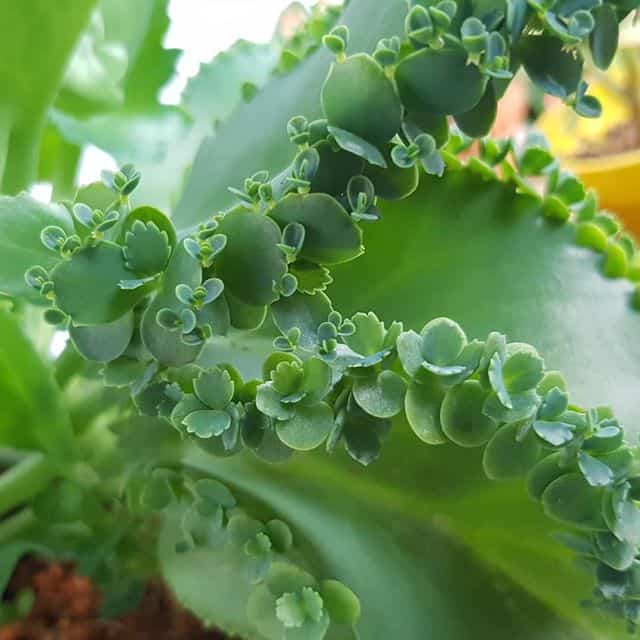
These 10 easy-care plants will thrive in your bedroom even if you are a beginner. Your bedroom is your sanctuary, a place to relax, recharge, and escape the noise of the day. Adding houseplants to your bedroom can make it even more serene and inviting.
Easy-Care Plants For Bedrooms
Plants bring natural beauty and a calming ambiance, and many also purify the air, help regulate humidity, and reduce stress.
However, not everyone has the time, experience, or lighting to maintain a full indoor jungle.
That’s why this list focuses on easy-care, low-maintenance plants that thrive in typical bedroom conditions.
Whether you’re a plant novice or just want something low-effort, I recommend these 10 options.
Why Keep Plants in the Bedroom?
1. Air Purification
Many common houseplants can absorb toxins such as formaldehyde, benzene, and trichloroethylene through their leaves.
Studies by NASA and other organizations have shown that plants like the spider plant, peace lily, and snake plant can help improve indoor air quality. 50 Best plants for air purification by NASA.
2. Humidity Regulation
Plants release moisture into the air through transpiration. In dry indoor environments (especially in winter), plants can help add much-needed humidity, which may benefit skin, sinuses, and respiratory health.
3. Mental and Emotional Benefits
Being around plants has been linked to reduced stress, better mood, and improved sleep. Greenery promotes a sense of calm and well-being, making your bedroom a more restful place.
4. Natural Aesthetics
Beyond health benefits, plants add color, texture, and vitality to your space. Whether you go for trailing vines or sculptural succulents, they’re a natural alternative to traditional decor.
What Makes a Plant “Easy-Care”?
To qualify as “easy-care,” a plant should meet the following criteria:
- Tolerates Low Light: Bedrooms often lack direct sunlight, so plants should thrive in indirect or ambient light.
- Infrequent Watering: Plants that don’t need watering every few days are less likely to suffer from neglect or overwatering.
- Hardy and Adaptable: Resistance to pests, mold, and changing temperatures is a big plus.
- Slow Growth or Compact Size: Ideal for smaller rooms, nightstands, or hanging containers.
10 Easy-Care Bedroom Plants
Let’s dive into the best low-maintenance houseplants that suit nearly every bedroom setup:
1. Snake Plant
Why It’s Great: Practically indestructible. It tolerates darkness, drought, and neglect like a champ.
Light: Low to bright indirect light. Avoid direct sunlight, which may scorch the leaves.
Water: Once every 2–3 weeks. Allow the soil to dry out completely between waterings.
Temperature: Prefers 60–80°F (15–27°C). Keep away from cold drafts.
Special Note: Releases oxygen at night—great for bedrooms!
2. ZZ Plant
Why It’s Great: Shiny, architectural leaves and almost zero effort required.
Light: Tolerates low light but thrives in moderate, indirect light. ZZ Plant Care Guide.
Water: Water every 2–3 weeks or when the soil is completely dry. Overwatering is the main risk.
Temperature: 65–75°F (18–24°C), avoid freezing temperatures.
Bonus: Tolerates dry air and low humidity with ease.
3. Pothos
Why It’s Great: Fast-growing vine with beautiful trailing leaves. Excellent for shelves or hanging pots.
Light: Low to medium indirect light. Variegated types need a bit more light.
Water: Water when the top inch of soil feels dry. Very forgiving if you forget occasionally.
Temperature: 60–85°F (15–29°C)
Tip: Trim regularly to prevent legginess and encourage bushier growth.
4. Spider Plant
Why It’s Great: Adaptable, hardy, and purifies the air.
Light: Bright, indirect light is ideal, but it also tolerates low light. Spider Plant Care Guide.
Water: Water moderately—about once a week. Allow the soil to dry between waterings.
Temperature: 55–80°F (13–27°C)
Bonus: Produces “pups” or baby plants, which are easy to propagate and share.
5. Peace Lily
Why It’s Great: Lovely white flowers and glossy foliage. Also known for its high air purification ability.
Light: Medium to low indirect light. Too much light can burn the leaves. Peace Lily Care Guide.
Water: Keep soil slightly moist, but not soggy. Water when leaves droop slightly.
Temperature: 65–85°F (18–29°C)
Caution: Toxic to pets if ingested.
6. Aloe Vera
Why It’s Great: Attractive and functional—its gel soothes burns and skin irritations.
Light: Bright, indirect light. A sunny windowsill is ideal.
Water: Water sparingly—every 2–3 weeks. Let the soil dry out completely.
Temperature: 55–80°F (13–27°C)
Tip: Use a cactus or succulent potting mix for best drainage.
7. Philodendron (Heartleaf or Brasil)
Why It’s Great: Soft, heart-shaped leaves and a relaxed, trailing habit.
Light: Low to bright indirect light. Avoid direct sunlight. Philodendron varieties guide.
Water: Water when the top inch of soil is dry.
Temperature: 65–80°F (18–27°C)
Fun Fact: Very beginner-friendly and forgiving of mistakes.
8. English Ivy (Hedera helix)
Why It’s Great: Air purifier and climber or trailer—adds dynamic texture.
Light: Prefers medium to bright indirect light. English Ivy Care Guide.
Water: Keep soil slightly moist, but never soggy.
Temperature: 50–70°F (10–21°C)
Note: Likes cooler rooms and needs good air circulation to avoid pests.
9. Chinese Evergreen
Why It’s Great: Available in beautiful colors—green, silver, red, and even pink!
Light: Low to medium light. Avoid direct sun. Chinese Evergreen care guide.
Water: Water every 1–2 weeks. Let the top few inches of soil dry first.
Temperature: 65–80°F (18–27°C)
Extra: Extremely tolerant of poor lighting and inconsistent care.
10. Cast Iron Plant
Why It’s Great: Named for its toughness, it survives low light, low humidity, and neglect.
Light: Low light to deep shade. Avoid direct sunlight.
Water: Infrequent—once every 2–3 weeks. Keep the soil dry between waterings.
Temperature: 45–85°F (7–29°C)
Good For: Corners and dim spaces with minimal maintenance needs.
Quick Tips for Bedroom Plant Success
- Drainage is key: Always use pots with holes to prevent root rot.
- Water wisely: It’s better to under-water than over-water. Check the soil before watering.
- Dust leaves: Wipe leaves gently with a damp cloth to keep them photosynthesizing efficiently.
- Rotate regularly: Turn plants occasionally so they grow evenly.
- Group for humidity: Place a few plants together or use a pebble tray to increase moisture.
Pet-safe plants
If you have pets, some houseplants can be toxic to cats and dogs. For pet-friendly options, stick with: Spider Plant, Areca Palm, Prayer Plant, Calathea.
Avoid: Peace Lily, ZZ Plant, English Ivy, and Aloe Vera.
For Small Bedrooms
Use wall-mounted planters, hanging baskets, or tall narrow stands to conserve floor space. Pothos, English Ivy, and Spider Plants are great for vertical displays.
No Natural Light?
Invest in a small LED grow light. Many affordable clip-on versions are perfect for bedside use and help low-light plants thrive.
Final Thoughts
You don’t need to be a gardening guru or have a sun-drenched room to enjoy houseplants. The 10 options I listed above are not only beautiful and beneficial but also incredibly forgiving.
Whether you want a lush corner of green or just one low-maintenance companion on your nightstand, there’s a perfect plant here for you.
If you love keeping houseplants and growing flowers, subscribe to my newsletter to receive more awesome posts. Also, kindly save the pin below, it really helps me out.