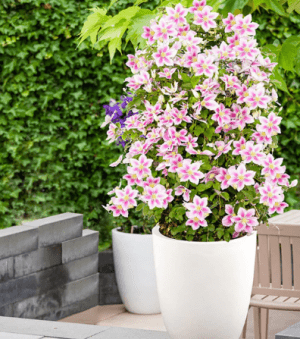
These are the best flowers to grow in sandy soil. Sandy soil often gets a bad rap in gardening circles. It drains too quickly, lacks essential nutrients, and often struggles to support heavy feeders. But for certain flowers, sandy soil can be a blessing.
Best Flowers For Sandy Soil
With the right selections and a few care techniques, sandy soil can yield a spectacular, low-maintenance flower garden full of color, fragrance, and pollinators.
In this post, I’ll explore 17 flowers that not only survive but thrive in sandy soil, offering practical tips and in-depth care advice for each one.
Understanding Sandy Soil
What Is Sandy Soil?
Sandy soil is dominated by sand particles (0.05 to 2 mm in diameter), giving it a coarse, gritty texture. It has:
- High drainage capacity, meaning water flows through rapidly.
- Low nutrient retention, since water-soluble nutrients are washed away.
- Quick warming in spring which promotes early plant growth.
- Light and airy structure, which reduces compaction but can make root anchoring difficult.
Challenges of Sandy Soil
- Water drains too quickly, leading to dry roots.
- Lacks organic matter and nutrients, requiring amendments or adaptive plants.
- Poor structure, which may need stabilization for large plants.
How to Improve Sandy Soil:
Add organic matter: Compost, well-rotted manure, or leaf mold to improve nutrient content and water retention.
Mulch: A 2–3 inch layer conserves moisture and protects the surface.
Soil amendments: Use coconut coir, worm castings, or biochar to help hold water and nutrients.
17 Flowers That Grow Well in Sandy Soil
1. Blanket Flower
Thrives in hardiness Zones 3–10, and bloom time is Early summer through frost. Flower colors include red, yellow, and orange, and mature size is 1–2.5 feet tall.
Why it thrives: It is native to arid prairies and plains. This plant is naturally adapted to sandy, dry environments. Its deep roots anchor well and seek out moisture.
Care Details: Water during the first season; afterward, drought-tolerant. Deadhead spent blooms for extended flowering. Divide clumps every 3 years to rejuvenate plants. Thrives in full sun and poor soil, avoid rich soil, which reduces bloom.
2. Lavender
Does well in hardiness zones 5–9 and blooms in Summer. Flower colors are shades of purple, blue, and pink, and the mature size is 1–3 feet tall.
Why It Thrives: Lavender’s Mediterranean roots mean it loves hot, dry, and sandy conditions. Its root system resists rot in well-drained soil.
Care Details: Requires full sun (at least 6–8 hours/day). Prune after flowering to maintain a bushy shape. Avoid wet or compacted soil; raised beds or slopes work well. Do not over-fertilize—low-nitrogen soil enhances aroma.
3. Coreopsis
Hardiness Zones 4–9, and bloom time is late spring to late summer. Flower colors include yellow, pink, red, and bi-colored. Mature size is 1–2 feet tall.
Why It Thrives: Tough and resilient, Coreopsis survives heat, drought, and low-nutrient soil, thriving even when neglected.
Care Details: Prefers full sun; tolerates partial shade but with fewer flowers. Very low maintenance once established. Attracts butterflies and native bees. Can reseed; deadheading helps control spread and encourages blooms.
4. Russian Sage
Hardiness Zones 5–9, and bloom time is mid to late summer. Flower colors are lavender-blue, and the mature size is 3–5 feet tall.
Why It Thrives: Native to arid mountain regions, this plant is extremely tolerant of poor, sandy soil and hot, sunny exposures.
Care Details: Plant in full sun to prevent flopping. Prune back to 6–8 inches in early spring for vigorous growth. Excellent deer and rabbit resistance. Use in mass plantings or borders for airy texture and late-season color.
5. Black-Eyed Susan
Grows in hardiness zones 3–9, and bloom time is mid-summer to early fall. Flower colors are yellow with a dark brown center, and the mature size is 2–3 feet tall.
Why It Thrives: A classic wildflower of meadows and open woodlands, it naturally thrives in dry, sandy areas with little care.
Care Details: Excellent self-seeder—may naturalize in sandy lawns. Attracts beneficial insects, butterflies, and bees. Deadhead to extend bloom; cut back after flowering to control self-seeding. Combine with grasses and coneflowers for native plant gardens.
6. Yarrow
Hardiness zones 3–9, and bloom time is summer. Flower colors are white, yellow, pink, and red. The mature size is 1.5–3 feet tall.
Why It Thrives: Yarrow tolerates heat, drought, wind, and poor soil. Its deep roots and fine foliage adapt well to dry, sandy conditions.
Care Details: Spreads by rhizomes—plant in a contained area or divide regularly. Cut back after blooming for a second flush. Avoid rich soil to prevent floppy growth. Attracts butterflies and is highly deer-resistant.
7. Coneflower
Hardiness zones 3–9, and bloom time is summer to early fall. Flower colors include purple, pink, white, yellow, and orange. The mature size for Coneflower is 2–4 feet tall.
Why It Thrives: With a long taproot, this prairie native is built for tough soil and inconsistent watering, perfect for sandy sites.
Care Details: Tolerates neglect, drought, and pests. Leave seed heads for goldfinches and winter interest. Deadhead for repeat blooms. Pairs well with grasses and other native wildflowers.
8. California Poppy
Hardiness Zones 6–10, and bloom time is spring to summer. Flower colors include orange, yellow, red, and white. Mature size is 8–12 inches tall.
Why It Thrives: Native to dry grasslands and deserts, this flower thrives in full sun and sandy soil with zero fuss.
Care Details: Needs no fertilizer—excess nutrients reduce flowering. Self-sows easily in sandy beds. Cut back after the first bloom to encourage a new flush. Avoid transplanting—direct seeding works best. Complete Poppy Care Guide.
9. Sea Holly
Does well in hardiness zones 4–9 and blooms in summer. Flower colors are either blue or silver, and the mature size is 1–3 feet tall.
Why It Thrives: Perfect for coastal sandy soils and drought conditions. This architectural beauty is both ornamental and tough.
Care Details: Plant in full sun to intensify color. Avoid rich soil or shade—both cause flopping. Deer and rabbit resistant. Unique texture and great for dried bouquets.
10. Lantana
Plant in hardiness zones 8–11 and get blooms from Spring to frost. Flower colors come in multicolor clusters of red, yellow, pink, and purple. Mature size is 1–3 feet tall.
Why It Thrives: Highly tolerant of sandy, dry, and salty soil—perfect for coastal or xeriscape gardens.
Care Details: Needs minimal watering once established. Prune regularly to encourage compact growth. Toxic to pets—avoid near animals. Attracts butterflies and hummingbirds. Complete Lantana Care Guide.
11. Sedum
Best for hardiness zones 3–9 and will bloom from summer to fall. Flower colors include pink, red, yellow, and white. They have a mature size of 4–24 inches tall.
Why It Thrives: This succulent stores water in its leaves, making it ideal for dry, sandy soil and low-maintenance landscaping.
Care Details: Choose groundcover (e.g., Sedum acre) or upright types (e.g., ‘Autumn Joy’). Avoid watering unless the soil is extremely dry. Thrives in containers or rock gardens. Easy to propagate by division or stem cuttings.
12. Verbena
Thrives in hardiness Zones: 7–11, but can be planted as annuals elsewhere. Bloom time is spring through fall, and the flowers can be purple, pink, red, or white. Their mature size is 6–18 inches tall.
Why It Thrives: Verbena thrives in full sun and sandy soils. It tolerates drought and continues to bloom with minimal effort.
Care Details: Deadhead regularly for more blooms. Use in containers, ground covers, or borders. Good airflow helps prevent mildew. Attracts butterflies and bees.
13. Dusty Miller
Thrives in hardiness Zones 8–10 and annual elsewhere. Blooms in late summer and has a foliage color of silvery-gray. It also has a mature size of 6–12 inches tall.
Why It Thrives: Dusty Miller’s drought-tolerant foliage thrives in poor, sandy soil while adding contrast to colorful blooms.
Care Details: Grow for foliage; flowers are less ornamental. Prune for compact shape and remove flower stems if desired. Very heat and drought-tolerant once established. Excellent for edging and color contrast.
14. Gazania
Best planted in hardiness zones 8–11and blooms in spring through fall. Flower colors include bright yellow, orange, red, and pink. The mature size range is between 6–12 inches.
Why It Thrives: Gazania’s thick leaves retain water, making it ideal for sandy, dry soils. It thrives in sun-drenched coastal or desert areas.
Care Details: Blooms open only in sunlight. Deadhead for more blooms. Tolerates heat, wind, and salt spray. Great for borders or low ground cover.
15. Portulaca
This plant does well as an annual in all hardiness zones and blooms in the summer. Produces flowers in bright red, yellow, white, and orange. Mature Size is 6–8 inches tall.
Why It Thrives: This fast-spreading succulent is native to arid regions and loves sandy, gravelly soils with little care.
Care Details: Needs full sun; flowers won’t open in shade. Ideal for rock gardens and dry slopes. Grows well in cracks, containers, or poor soils. Drought-tolerant and resistant to pests.
16. Bee Balm
Hardiness Zones 4–9 and blooms mid to late summer. Flower colors are often pink, lavender, and red. The mature size is 1–3 feet tall.
Why It Thrives: Spotted bee balm grows naturally in sandy prairies and meadows, adapted to dry soils and open areas.
Care Details: Attracts pollinators and beneficial insects. Thin regularly to prevent fungal issues. Prune after flowering to promote bushier growth. Avoid overhead watering.
17. Butterfly Weed
Hardiness Zones 3–9 and blooms from early to mid-summer. Produces flowers in vivid orange color. The plant reaches a mature size of between 1–3 feet tall.
Why It Thrives: A native prairie plant, butterfly weed has a deep taproot that searches for moisture in dry, sandy soils.
Care Details: Avoid disturbing roots; plant where it can remain. Self-seeds readily—collect pods if needed. Essential for monarch caterpillars. Full sun is essential for the best flowering.
Final Gardening Tips for Sandy Soil
- Amend gradually: don’t overcorrect sandy soil; many flowers thrive in its natural state.
- Group by water needs: create microzones in your garden to improve efficiency.
- Plant in fall or early spring to allow time for root establishment.
- Use native and drought-tolerant species: they offer beauty with minimal inputs.
Final Thoughts
With the right flowers, your sandy soil can become an asset, not a liability. These resilient and low-maintenance flowers will bring year-round beauty and creative potential to dry landscapes.
If you love growing flowers and keeping houseplants, subscribe to my newsletter to receive the latest posts. Also, save the pin below. Thanks!