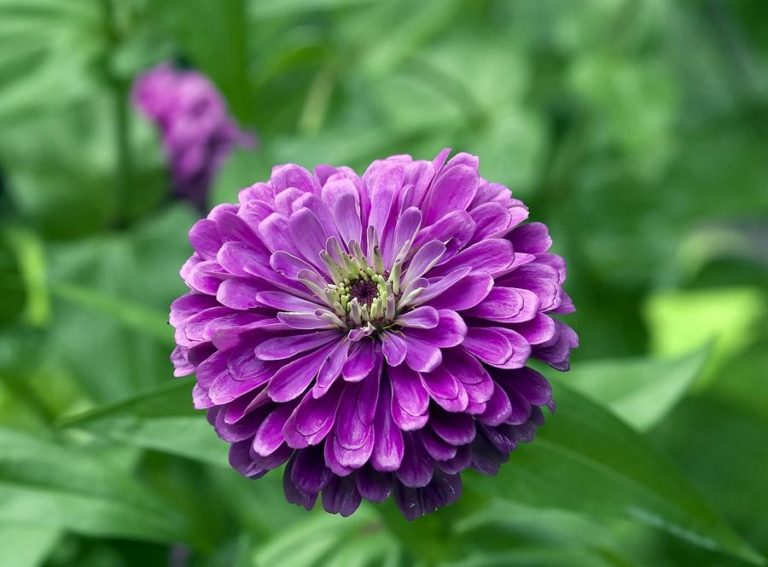
The right flowers can completely transform an ordinary yard into a landscape that looks elegant, polished, and professionally designed. I rely on plants with large blooms, dramatic colors, unique textures, rich foliage, and long-lasting seasonal beauty to create gardens that look expensive.
You do not need an enormous budget or professional design services to achieve the same effect in your own yard. Here are ten stunning flowers that instantly make any garden look more expensive and refined.
Peony – Huge Romantic Blooms
Peonies are known for producing some of the most spectacular blooms found in ornamental gardening. Their enormous ruffled flowers immediately create softness and elegance while adding a romantic atmosphere to any outdoor space.
Why It Looks Expensive
The large double blooms of peonies often resemble premium floral arrangements used in luxury weddings and upscale events. Their densely layered petals create a rich, full appearance that instantly catches attention.
Because the flowers are so dramatic, even a few peony plants can make a garden feel highly decorative and professionally planned.
Best Varieties to Grow
Sarah Bernhardt peony is popular because of its huge soft pink flowers. Coral Charm offers beautiful coral-peach blooms that change color as flowers mature.
Bowl of Beauty provides striking two-tone flowers, while Festiva Maxima produces elegant white blooms accented with crimson markings.
Growing Tips
Peonies prefer fertile, well-draining soil and full sun exposure for best flowering performance.
One of the most important growing rules is avoiding deep planting because crowns placed too far below soil level often fail to bloom properly. Established plants can live for decades with minimal disturbance.
Design Idea
Pair peonies with roses and soft perennial flowers to create romantic cottage-style landscaping often associated with expensive estate gardens.
Orchid – Exotic and Sophisticated Beauty
Orchids are among the most elegant flowering plants available and are widely associated with sophistication, exclusivity, and premium ornamental gardening. Their unusual flower shapes instantly create an exotic luxury feel.
Why Orchids Looks Expensive
Unlike common flowering plants, orchids have delicate architectural blooms with striking patterns and unusual petal structures.
Their rarity and exotic appearance naturally make them feel premium. They are often seen in luxury hotels, resort gardens, and upscale decorative landscapes.
Best Varieties to Grow
Phalaenopsis Orchids are widely loved for their long-lasting blooms and elegant shape. Cattleya Orchids produce dramatic colorful flowers with strong fragrance.
Dendrobium Orchids offer clusters of flowers on tall stems, while Cymbidium Orchids perform particularly well in cooler conditions.
Growing Tips
Orchids need bright indirect light rather than harsh direct sunlight. They require excellent drainage and airflow around roots because overly wet growing media can cause root rot. Watering should be consistent but never excessive.
Design Idea
Place orchids in decorative ceramic containers around patios, shaded seating areas, or covered outdoor spaces to create a resort-style luxury atmosphere.
Tulip – Elegant Color Displays
Tulips are one of the most recognizable flowers used in formal European gardens. Their clean shape and ability to create perfectly organized color displays make them ideal for landscapes that look carefully designed and expensive.
Why They Looks Expensive
Tulips create visual order and symmetry. Large groups planted together produce clean blocks of color that feel polished and intentional. Their structured growth pattern makes gardens look neat, formal, and professionally landscaped.
Best Varieties to Grow
Queen of Night Tulips provide dramatic dark purple blooms that feel luxurious. Angelique Tulips produce soft double pink flowers resembling peonies.
Darwin Hybrid Tulips offer large, long-lasting blooms, while Parrot Tulips bring unusual ruffled petals and vibrant color combinations.
Growing Tips
Tulips grow from bulbs planted during autumn and require well-draining soil to prevent rotting. Full sun encourages stronger flowering and healthier stems. Bulbs should be planted at the proper depth to protect them from temperature fluctuations during winter.
Design Idea
Plant tulips in symmetrical rows, border gardens, or large color groupings inspired by formal European botanical gardens.
Calla Lily – Minimalist Luxury Flower
Calla lilies bring modern elegance into a garden through their sleek, sculptural flower shape. Their simple but striking appearance makes them perfect for sophisticated contemporary landscapes.
Why It Looks Expensive
Unlike heavily layered flowers, calla lilies create beauty through clean lines and minimalist structure. Their smooth trumpet-shaped blooms feel refined and highly decorative. They are commonly used in luxury weddings and modern resort landscaping.
Best Varieties to Grow
White Giant remains the classic elegant choice for minimalist gardens. Black Star produces dramatic dark flowers for modern contrast. Pink Melody adds soft romantic color, while Crystal Blush offers pale, sophisticated tones perfect for formal designs.
Growing Tips
Calla lilies grow best in moist, fertile soil with consistent watering during active growth. They tolerate both full sun and partial shade depending on climate. Regular fertilizing helps support larger blooms and longer flowering periods.
Design Idea
Combine calla lilies with ornamental grasses, stone walkways, and simple geometric planting beds for a clean modern luxury design.
Lavender – Mediterranean Elegance
Lavender is famous not only for its beautiful purple flowers but also for the luxurious atmosphere it creates. The silver-green foliage combined with soothing fragrance gives gardens a high-end Mediterranean resort appearance.
Why It Looks Expensive
Lavender adds beauty through both texture and fragrance. Its neat growth habit creates a clean, organized appearance, while the calming scent enhances the overall sensory experience of a garden. Large lavender plantings often resemble carefully designed resort landscapes.
Best Varieties to Grow
English Lavender remains one of the most dependable garden varieties. Hidcote Lavender produces deep purple blooms with compact growth.
Munstead Lavender performs well in smaller spaces, while Provence Lavender is often used for formal large-scale landscape designs.
Growing Tips
Lavender requires full sunlight and excellent drainage. Wet soil is one of the main reasons lavender plants fail. Pruning after flowering helps maintain compact growth and encourages healthy future development.
Design Idea
Create lavender-lined walkways or combine lavender with gravel pathways and stone features to mimic Mediterranean villa gardens.
Gardenia – Glossy Leaves and Fragrant Luxury
Gardenias combine evergreen foliage with creamy white flowers and one of the richest fragrances found in ornamental gardening. Their polished appearance makes them excellent plants for sophisticated landscapes.
Why Gardenia Looks Expensive
The glossy dark green foliage keeps garden beds looking polished even when plants are not flowering.
The creamy white flowers provide striking visual contrast while their powerful fragrance creates a premium sensory experience often associated with luxury gardens.
Best Varieties to Grow
August Beauty produces abundant fragrant flowers over a long season. Frostproof Gardenia performs better in cooler regions. Veitchii offers long flowering periods, while Radicans provides a compact spreading habit useful for borders.
Growing Tips
Gardenias prefer acidic soil rich in organic matter. High humidity improves flowering performance, while harsh afternoon sunlight should be avoided in very hot climates.
Design Idea
Plant gardenias near entrances, patios, or seating areas where their fragrance can be appreciated throughout blooming season.
Wisteria – Dramatic Cascading Beauty
Wisteria is one of the most visually dramatic flowering vines available. Its long hanging flower clusters create breathtaking displays that instantly make landscapes look mature, elegant, and professionally designed.
Why Wisteria Looks Expensive
The dramatic cascading flowers create a luxurious estate-garden appearance that few other climbing plants can match.
Large mature vines covering pergolas or garden arches often become major focal points that transform ordinary spaces into highly decorative landscapes.
Best Varieties to Grow
Chinese Wisteria grows vigorously and produces abundant blooms. Japanese Wisteria is admired for especially long hanging flower clusters.
Blue Moon Wisteria offers improved cold tolerance, while Amethyst Falls provides more controlled growth for smaller gardens.
Growing Tips
Wisteria requires strong support structures because mature vines become extremely heavy. Full sun encourages stronger flowering performance as well as regular pruning.
Design Idea
Train wisteria over pergolas, arbors, fences, or entry arches to create dramatic luxury landscaping inspired by historic European gardens.
Camellia – Elegant Year-Round Beauty
Camellias provide beauty throughout the year through glossy evergreen leaves and elegant formal blooms. They are widely used in professionally designed landscapes because they remain attractive in every season.
Why It Looks Expensive
Camellias combine polished evergreen foliage with perfectly formed flowers that resemble luxury floral arrangements. Their year-round structure keeps landscapes looking neat and elegant even when many other flowering plants are dormant.
Best Varieties to Grow
Debutante produces beautiful soft pink blooms perfect for classic gardens. Yuletide Camellia features striking red flowers that brighten winter landscapes.
Kramer’s Supreme produces rich, vibrant color, while Pink Perfection offers perfectly symmetrical blooms with exceptional elegance.
Growing Tips
Camellias grow best in acidic soil with excellent drainage. Partial shade helps protect leaves from scorching. Deep watering during dry periods encourages stronger growth and healthier flowering.
Design Idea
Use camellias in foundation beds, shaded borders, or near entryways where their evergreen foliage keeps the landscape looking polished throughout the entire year.
Rose – The Classic Symbol of Luxury
Roses have represented beauty, elegance, and luxury for centuries in palace gardens, historic estates, and professionally designed landscapes around the world.
Their layered petals, romantic fragrance, and incredible range of colors instantly make any garden feel refined.
Why It Looks Expensive
The large, multi-layered blooms of roses naturally create a rich and luxurious appearance. Their classic shape is strongly associated with formal gardens and upscale landscaping.
Deep red roses create dramatic elegance, while cream, blush pink, peach, and white varieties bring softness and sophistication.
Best Varieties to Grow
Hybrid Tea Roses produce large, elegant blooms that work beautifully as focal points. David Austin English Roses combine old-fashioned beauty with abundant flowering and strong fragrance.
Floribunda Roses create clusters of vibrant blooms that fill garden beds quickly, while Climbing Roses provide dramatic vertical beauty when trained on fences, pergolas, or garden arches.
Growing Tips
Roses perform best when planted in nutrient-rich, well-draining soil and full sun. Consistent watering is important, especially during hot weather, but overly wet soil should be avoided.
Regular pruning helps improve airflow, encourages healthier growth, and produces larger blooms throughout the growing season.
Design Idea
Plant roses along pathways, near patios, or in symmetrical flower beds around entrances. Climbing roses trained over arches or trellises create the classic luxury garden look often seen in estate landscaping.
Hydrangea – Large Blooms That Fill Space Beautifully
Hydrangeas are famous for producing huge flower clusters that instantly create fullness and abundance within a landscape.
These flowering shrubs are frequently used in luxury cottage gardens and high-end landscape designs because they make outdoor spaces feel lush, mature, and professionally maintained.
Why It Looks Expensive
The oversized blooms of hydrangeas create dramatic visual impact and make planting beds look full without requiring large numbers of plants.
Their soft, rounded flower clusters add texture and elegance, while the wide range of colors gives gardens a carefully designed appearance. Because they create so much volume, they often make landscapes feel established and expensive.
Best Varieties to Grow
Endless Summer Hydrangea is one of the most popular choices because it blooms repeatedly throughout the growing season. Limelight Hydrangea produces striking green-white flower clusters that stand out beautifully in formal gardens.
Annabelle Hydrangea is valued for its enormous white blooms, while Oakleaf Hydrangea adds decorative foliage along with unique flowers.
Growing Tips
Hydrangeas thrive in fertile, moisture-retentive soil and appreciate regular watering during dry weather.
Mulching helps keep roots cool and prevents soil from drying too quickly. In hot climates, partial afternoon shade helps protect leaves and flowers from excessive heat stress.
Design Idea
Plant hydrangeas near front entrances, foundation beds, or grouped together in large clusters to create lush landscaping with strong luxury appeal.
My Final Thoughts
Creating a garden that looks expensive is often less about spending money and more about choosing plants that naturally create elegance.
Therefore, I recommend using flowers with dramatic blooms, beautiful fragrance, rich foliage, structured growth, and strong visual presence that can completely transform an ordinary yard.
If you are interested in growing flowers and plants and DIY flower arrangements, consider subscribing to my newsletter. Additionally, follow me on Pinterest to discover more amazing pins.