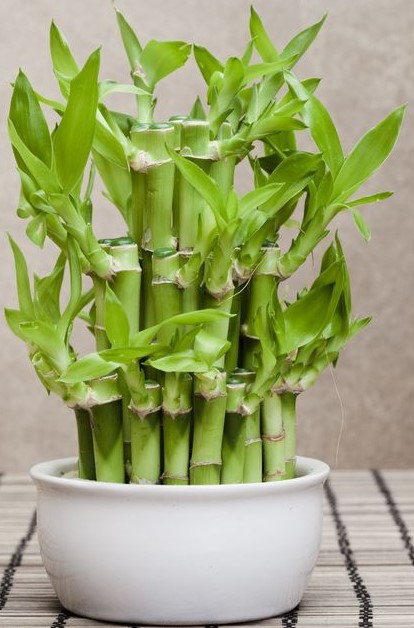
Dry indoor air is a common problem in many homes and can leave your skin feeling dry, make your eyes itchy, irritate your throat, and even damage wooden furniture. Plants are a natural way of adding moisture to your home.
Below are 15 of my best houseplants for naturally increasing humidity, and the reasons they work so well.
How Houseplants Naturally Increase Humidity
Plants continuously pull water from the soil through their roots. After using what they need for growth, they release excess moisture through microscopic pores in their leaves. This natural process, known as transpiration, adds water vapor to the surrounding air.
1. Areca Palm
The Areca Palm is often considered one of the best indoor plants for naturally increasing humidity. Its graceful, feather-like fronds create a tropical look while releasing generous amounts of moisture into the air throughout the day.
Because of its size and dense foliage, it’s an excellent choice for living rooms, bedrooms, and home offices.
Why it increases humidity
- Large leaf surface – Its numerous fronds provide plenty of surface area for water vapor to escape.
- High transpiration rate – This palm naturally uses a lot of water, releasing much of it back into the air.
- Dense foliage – Multiple stems and leaves produce more moisture than smaller houseplants.
Care Tips: Bright indirect light, consistently moist soil, and occasional feeding during the growing season.
2. Boston Fern
Boston Ferns are classic indoor plants known for their lush green fronds and love of moisture. A perfect addition to bathrooms, kitchens, or any room with naturally higher humidity. Their full, arching foliage also makes them one of the most effective plants for adding moisture to dry indoor air.
Why it increases humidity
- Thousands of tiny leaflets – More leaf surface means more moisture released through transpiration.
- Frequent watering – The plant uses a significant amount of water, which eventually returns to the air.
- Constant transpiration – Healthy ferns release moisture steadily throughout the day.
Care Tips: Bright indirect light, evenly moist soil, and regular misting if your home is very dry.
3. Peace Lily
Peace Lilies are loved for their elegant white flowers and glossy green leaves. They are compact enough for smaller spaces yet effective at increasing humidity. Their attractive appearance makes them equally suitable for bedrooms, offices, and living rooms.
Why it increases humidity
- Broad leaves – Large leaves release moisture efficiently.
- Steady water use – Regular watering supports consistent transpiration.
- Healthy foliage year-round – Evergreen leaves continue adding moisture throughout the seasons.
Care Tips: Medium to bright indirect light and water whenever the top inch of soil becomes dry.
4. Spider Plant
Spider Plants are among the easiest houseplants for beginners. They adapt well to different indoor conditions, grow quickly, and produce long arching leaves that continuously release moisture into the surrounding air.
Why it increases humidity
- Fast-growing foliage – Active growth increases transpiration.
- Numerous narrow leaves – Multiple leaves collectively release a surprising amount of water vapor.
- Easy to maintain – Healthy plants continue producing moisture with minimal effort.
Care Tips: Bright indirect light, moderate watering, and occasional feeding during spring and summer.
5. Bamboo Palm
The Bamboo Palm brings a tropical feel to any room while naturally increasing indoor humidity. Its slender stems and lush green fronds create a soft, airy appearance that works well in living spaces and offices.
Why it increases humidity
- Feathery fronds – Large clusters of leaves release moisture efficiently.
- High water demand – Regular watering supports continuous transpiration.
- Multiple stems – More stems mean more leaves contributing moisture to the air.
Care Tips: Medium to bright indirect light, consistently moist soil, and protection from direct afternoon sun.
6. Rubber Plant
Rubber Plants are popular because of their striking, glossy leaves and upright growth. Besides making a bold decorative statement, they also contribute to a more comfortable indoor environment by slowly releasing moisture through their large leaves.
Why it increases humidity
- Large, thick leaves – Bigger leaves provide a larger area for transpiration.
- Strong root system – Efficient water uptake helps sustain moisture release.
- Steady year-round growth – Healthy plants continue transpiring throughout the year.
Care Tips: Bright filtered light, allow the top inch of soil to dry between waterings, and wipe leaves occasionally to remove dust.
7. Lady Palm
Lady Palms are elegant indoor palms with fan-shaped leaves that grow in dense clusters. They tolerate indoor conditions well and are excellent for increasing humidity while adding texture and greenery to a room.
Why it increases humidity
- Dense leafy growth – Numerous leaves release moisture simultaneously.
- Consistent transpiration – Healthy palms steadily add water vapor to the air.
- Large mature plants – Bigger specimens naturally produce more humidity.
Care Tips: Bright indirect light, evenly moist soil, and occasional fertilizing during active growth.
8. English Ivy
English Ivy is a versatile trailing plant that looks beautiful in hanging baskets or on shelves. Although smaller than many palms, its abundant leaves make it surprisingly effective at releasing moisture.
Why it increases humidity
- Many small leaves – Hundreds of leaves collectively increase transpiration.
- Continuous growth – New vines and leaves maintain moisture production.
- Compact placement – Multiple pots can easily be grouped together for greater effect.
Care Tips: Bright indirect light, moderate watering, and trim vines to encourage fuller growth.
9. Parlor Palm
The Parlor Palm has been a favorite houseplant for generations because it thrives indoors with very little fuss. Its delicate fronds naturally add moisture while creating a relaxed tropical atmosphere.
Why it increases humidity
- Soft feathery leaves – Fine foliage provides excellent transpiration.
- Reliable moisture release – Consistent watering supports humidity production.
- Slow but steady growth – Healthy plants continue contributing moisture for many years.
Care Tips: Low to medium indirect light and water when the top layer of soil begins to dry.
10. Calathea
Calatheas are admired for their colorful patterned leaves that fold upward at night. These tropical plants naturally prefer humid environments, making them excellent contributors to indoor humidity while also benefiting from it themselves.
Why it increases humidity
- Large decorative leaves – Wide foliage releases moisture efficiently.
- High water requirements – Regular watering fuels transpiration.
- Tropical origins – Naturally adapted to humid environments, they continuously exchange moisture with the air.
Care Tips: Bright indirect light, consistently moist soil, and avoid letting the soil dry out completely.
11. Bird’s Nest Fern
Bird’s Nest Fern is a tropical plant with broad, wavy fronds that grow from the center of the plant in a rosette shape. Unlike many ferns with delicate foliage, this variety has smooth, bright green leaves that make it both eye-catching and highly effective at naturally adding moisture to the air.
It thrives in warm, humid environments, making it an excellent choice for bathrooms, kitchens, or any room that needs a touch of lush greenery.
Why it increases humidity
- Broad fronds – The wide leaves provide a large surface area for releasing water vapor.
- Loves consistently moist soil – Regular watering supports continuous transpiration.
- Thrives in humidity – Healthy growth encourages the plant to recycle more moisture into the air.
Care Tips: Place in bright, indirect light, keep the soil lightly moist, and avoid watering directly into the center of the rosette to prevent rot.
12. Majesty Palm
If you’re looking for a statement plant that also helps combat dry indoor air, the Majesty Palm is a fantastic choice.
Its tall, graceful fronds instantly create a tropical atmosphere while naturally increasing humidity. Because this palm enjoys regular watering and produces abundant leafy growth, it is one of the better indoor plants for moisture release.
Why it increases humidity
- Large tropical fronds – Extensive foliage releases moisture throughout the day.
- High water consumption – The plant absorbs plenty of water and returns much of it to the air through transpiration.
- Full canopy – Mature palms have many leaves working together to increase humidity.
Care Tips: Provide bright indirect light, keep the soil evenly moist, and avoid placing it near heating vents that can dry the leaves.
13. Chinese Evergreen
Chinese Evergreen is one of the easiest houseplants to grow, making it perfect for beginners. Its attractive variegated leaves brighten low-light spaces while quietly contributing to a more comfortable indoor environment.
Although it isn’t the highest moisture producer on this list, its dependable growth and easy care make it a worthwhile addition to any collection.
Why it increases humidity
- Healthy evergreen foliage – Leaves continue releasing moisture all year.
- Regular water uptake – Consistent watering supports steady transpiration.
- Adaptable growth – Thrives indoors, allowing continuous moisture production in most homes.
Care Tips: Grow in low to medium indirect light and water when the top inch of soil feels dry.
14. Prayer Plant
The Prayer Plant is famous for its colorful leaves that gently fold each evening upward, resembling hands in prayer. Native to tropical forests, it naturally enjoys humid conditions and helps maintain moisture in the surrounding air. Its compact size makes it ideal for shelves, desks, and bedrooms.
Why it increases humidity
- Large patterned leaves – Broad foliage provides an excellent surface for transpiration.
- Moisture-loving nature – Regular watering encourages healthy humidity release.
- Continuous leaf activity – Active foliage exchanges moisture with the surrounding air throughout the day.
Care Tips: Keep in bright, indirect light, maintain evenly moist soil, and protect it from cold drafts.
15. Fiddle Leaf Fig
The Fiddle Leaf Fig has become one of the most popular indoor plants thanks to its dramatic, violin-shaped leaves. Besides serving as a stunning focal point, its large foliage also contributes to natural humidity.
While it requires a bit more attention than some beginner plants, the reward is a beautiful tree that enhances both your décor and indoor comfort.
Why it increases humidity
- Oversized leaves – Large leaf surfaces release more water vapor than smaller plants.
- Active growth – Healthy plants continually draw water from the soil for transpiration.
- Tall structure – Larger plants produce greater overall moisture because of their increased leaf area.
Care Tips: Place in bright indirect light, rotate the pot occasionally for even growth, and water when the top 2 to 3 inches of soil become dry.
Tips for Getting the Most Humidity from Your Houseplants
Simply owning houseplants isn’t always enough to noticeably improve indoor humidity. Keeping them healthy and placing them strategically will maximize the amount of moisture they release.
Group Plants Together
Plants naturally create a small humid microclimate around themselves. Placing several humidity-loving plants together increases the overall moisture released into the surrounding air.
Water Consistently
Plants need adequate water to transpire efficiently. Allowing soil to become completely dry too often reduces the amount of moisture they release.
Choose Large, Leafy Plants
Plants with bigger leaves or dense foliage generally transpire more water than small succulents or cacti. Palms, ferns, and large tropical plants are among the best choices.
Keep Leaves Clean
Dust blocks the tiny pores that plants use for transpiration. Wipe large leaves with a damp cloth and gently rinse smaller plants occasionally to keep them functioning efficiently.
Place Plants in Dry Areas
Position humidity-boosting plants where they’re needed most, such as:
- Living rooms with central heating
- Bedrooms
- Home offices
- Rooms with air conditioning
- Near—but not directly in front of—heating or cooling vents
Common Mistakes to Avoid
Overwatering
While these plants appreciate moisture, constantly waterlogged soil can lead to root rot and unhealthy plants. Healthy roots are essential for effective transpiration.
Giving Too Little Light
Even shade-tolerant plants need enough light to grow. Slow or unhealthy growth reduces transpiration and limits their ability to add moisture to the air.
Choosing the Wrong Plant for Your Space
Large palms need room to grow, while compact plants like Prayer Plants or Spider Plants are better suited for apartments and smaller rooms.
Ignoring Indoor Conditions
Heating systems, fireplaces, and strong air conditioners can dry plants out more quickly. Monitor soil moisture regularly and adjust watering as needed.
Expecting One Plant to Humidify an Entire Home
A single houseplant won’t replace a humidifier. For the best results, use several medium or large plants throughout your home, especially in the rooms you use most often.
Frequently Asked Questions
Do houseplants really increase humidity?
Yes. Houseplants naturally release water vapor into the air through transpiration. While the effect of one plant is modest, a collection of healthy plants can noticeably increase humidity in a room.
Which houseplant adds the most humidity?
The Areca Palm is widely regarded as one of the best natural humidifying houseplants because of its large fronds and high transpiration rate. Boston Ferns and Bamboo Palms are also excellent choices.
How many plants do I need to notice a difference?
It depends on the size of the room and the plants. In general, grouping five to ten medium-sized plants together will have a greater impact than placing a single plant in a large room.
Can houseplants replace a humidifier?
Houseplants can help increase indoor humidity naturally, but they usually won’t match the output of an electric humidifier. They work best as a complementary solution while also improving the beauty and comfort of your home.
Which rooms benefit most from humidifying plants?
Living rooms, bedrooms, home offices, and any space with heating or air conditioning can benefit from humidity-loving houseplants.
My Final Thoughts
If you want to get the best results, combine several humidity-loving plants, keep them well cared for, and group them together to maximize their natural humidifying effect.
If you are interested in growing flowers and plants and DIY flower arrangements, consider subscribing to my newsletter. Additionally, follow me on Pinterest to discover more amazing pins.