Whether your apartment receives plenty of sunlight or only a little natural light, there’s a plant that’s perfectly suited to your home.
Here are 18 of my best apartment plants that are easy to grow, attractive year-round, and ideal for beginners and experienced plant lovers alike.
1. Snake Plant
The Snake Plant is one of the easiest houseplants to grow, making it a favorite for apartment living. Its tall, upright leaves add a modern touch to small spaces, and it thrives even if you occasionally forget to water it. It grows well in low to bright indirect light and requires very little maintenance.
Why it’s great for apartments:
- Thrives in low-light rooms.
- Needs watering only every 2–4 weeks.
- Takes up very little floor space.
2. Pothos
Pothos is a fast-growing vine with beautiful heart-shaped leaves that trail gracefully from shelves, hanging baskets, or bookcases. It adapts to a wide range of indoor conditions and is an excellent choice for beginners looking to add lush greenery to their apartment.
Why it’s great for apartments:
- Grows well in low or bright indirect light.
- Perfect for hanging baskets and small shelves.
- Forgives occasional missed waterings.
3. ZZ Plant
The ZZ Plant is famous for its glossy green leaves and incredible ability to tolerate neglect. Its thick underground stems store water, allowing it to survive long periods without watering. It adds a sleek, modern look to apartments while requiring almost no effort.
Why it’s great for apartments:
- Extremely drought-tolerant.
- Thrives in low-light environments.
- Requires very little maintenance.
4. Spider Plant
Spider Plants are known for their graceful arching leaves and tiny “baby” plants that grow from mature plants. They brighten any room with their fresh appearance and are easy to grow, making them ideal for both beginners and experienced plant lovers.
Why it’s great for apartments:
- Fits perfectly on shelves or in hanging baskets.
- Easy to propagate into new plants.
- Adapts well to different lighting conditions.
5. Peace Lily
The Peace Lily brings elegance to any apartment with its glossy green leaves and beautiful white flowers. It thrives indoors with minimal care and adds a calming atmosphere to bedrooms, living rooms, and home offices.
Why it’s great for apartments:
- Produces attractive white blooms indoors.
- Grows well in medium to low light.
- Has a compact, space-saving growth habit.
6. Chinese Evergreen
Chinese Evergreen is admired for its colorful foliage, which comes in shades of green, silver, cream, and pink. It’s one of the most reliable indoor plants because it tolerates lower light levels better than many other houseplants.
Why it’s great for apartments:
- Excellent choice for low-light rooms.
- Requires minimal watering.
- Decorative foliage adds year-round color.
7. Heartleaf Philodendron
Heartleaf Philodendron features cascading vines covered with soft, heart-shaped leaves. It grows quickly and looks beautiful on floating shelves or in hanging planters, adding a cozy, natural feel to apartment interiors.
Why it’s great for apartments:
- Compact trailing growth saves space.
- Easy to care for and propagate.
- Thrives in average indoor conditions.
8. Monstera Deliciosa
Monstera Deliciosa is loved for its large, split leaves that instantly create a tropical feel. While it grows larger than many houseplants, it remains manageable in apartments with bright, indirect light and occasional pruning.
Why it’s great for apartments:
- Creates a bold decorative statement.
- Thrives indoors with indirect sunlight.
- Makes small spaces feel vibrant and stylish.
9. Rubber Plant
The Rubber Plant has thick, glossy leaves that make it an eye-catching indoor feature. It grows upright instead of spreading wide, making it ideal for corners where you want to add height without taking up much floor space.
Why it’s great for apartments:
- Upright growth fits small rooms.
- Easy to maintain.
- Adds a modern, elegant look.
10. Parlor Palm
Parlor Palm has delicate, feathery fronds that create a tropical atmosphere without requiring much sunlight. It has been a popular indoor plant for generations because it adapts well to apartment conditions.
Why it’s great for apartments:
- Thrives in low to medium light.
- Compact size suits smaller homes.
- Adds softness and greenery to any room.
11. Jade Plant
Jade Plant is a long-living succulent with thick, shiny leaves that store water. It enjoys sunny windows and requires very little care, making it perfect for busy apartment residents.
Why it’s great for apartments:
- Needs very little watering.
- Small enough for windowsills and desks.
- Can live for many years with minimal care.
12. Aloe Vera
Aloe Vera is both attractive and practical. Its thick leaves contain soothing gel commonly used for minor skin irritations, while its sculptural shape makes it a beautiful addition to sunny apartments.
Why it’s great for apartments:
- Loves sunny windows.
- Requires very little maintenance.
- Offers useful medicinal gel.
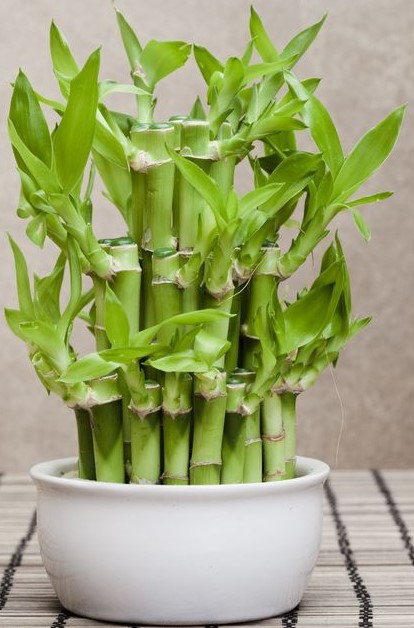
13. Lucky Bamboo
Lucky Bamboo is a compact ornamental plant that can grow in water or soil. Its elegant green stems fit perfectly on desks, coffee tables, and countertops, adding a touch of natural beauty to even the smallest apartments.
Why it’s great for apartments:
- Takes up very little space.
- Can grow in water without soil.
- Very easy to care for.
14. English Ivy
English Ivy is a classic trailing plant that adds cascading greenery to shelves and hanging baskets. Its elegant vines create visual interest while remaining easy to manage with occasional pruning.
Why it’s great for apartments:
- Ideal for vertical displays.
- Fits well in hanging planters.
- Grows quickly indoors.
15. Boston Fern
Boston Fern is known for its lush, feathery fronds that create a full, vibrant appearance. It enjoys slightly higher humidity, making it a wonderful choice for bathrooms and kitchens.
Why it’s great for apartments:
- Adds a soft, lush look.
- Perfect for humid rooms.
- Creates a relaxing indoor atmosphere.
16. Bird’s Nest Fern
Bird’s Nest Fern has broad, wavy leaves that grow from a central rosette, giving it a unique tropical appearance. It thrives in indirect light and enjoys moderate humidity.
Why it’s great for apartments:
- Compact growth fits small spaces.
- Unique foliage adds texture.
- Thrives in indirect light.
17. Cast Iron Plant
True to its name, the Cast Iron Plant is incredibly hardy and can survive conditions that would challenge many other houseplants. It tolerates low light, inconsistent watering, and fluctuating indoor temperatures.
Why it’s great for apartments:
- Nearly impossible to kill.
- Thrives in dark corners.
- Requires very little attention.
18. Peperomia
Peperomia is a charming, compact houseplant with thick, glossy leaves that come in many colors and patterns. Its small size makes it perfect for apartments with limited space, and it grows happily on desks, shelves, and windowsills.
Why it’s great for apartments:
- Compact enough for small spaces.
- Requires minimal watering.
- Attractive foliage comes in wide varieties.
Apartment Plant Care Tips
Most indoor plants don’t require constant attention, but they do appreciate consistent care. By following a few simple habits, you can enjoy lush, thriving plants that brighten your home throughout the year.
Choose the Right Spot
Light is one of the most important factors for indoor plant health. Before bringing home a new plant, consider how much natural light your apartment receives. Placing each plant in the right location helps it grow stronger and reduces stress.
Water Wisely
Overwatering is the most common mistake apartment plant owners make. Rather than watering on a fixed schedule, check the soil first. Most indoor plants prefer slightly dry soil over constantly wet conditions.
Use Well-Draining Pots and Soil
Always choose pots with drainage holes to allow excess water to escape. Pair them with a quality indoor potting mix that drains well while retaining enough moisture for healthy root growth.
Rotate Your Plants Regularly
Plants naturally grow toward the light. Rotating your pots every two to three weeks encourages even growth and keeps plants looking balanced instead of leaning toward a nearby window.
Keep Leaves Clean
Dust builds up on indoor plant leaves over time, reducing the amount of sunlight they can absorb. Wipe broad leaves with a soft, damp cloth every few weeks or gently rinse smaller plants with lukewarm water.
Feed During the Growing Season
Most apartment plants benefit from fertilizer during spring and summer when they are actively growing. Reduce or stop feeding during fall and winter, as most plants naturally grow more slowly during these seasons.
Maintain Comfortable Humidity
Many tropical houseplants appreciate moderate humidity, especially during dry winter months or in apartments with air conditioning. Grouping plants together, placing them on pebble trays, or using a small humidifier can help maintain a healthier environment without much effort.
Check for Pests
Inspect your plants regularly for common indoor pests such as spider mites, aphids, mealybugs, or fungus gnats. Early detection makes treatment much easier and prevents pests from spreading to other plants.
Common Mistakes to Avoid
Even low-maintenance apartment plants need proper care to stay healthy. Avoid these common mistakes to help your indoor garden thrive:
- Overwatering: Water only when the top inch of soil is dry. Too much water can cause root rot.
- Wrong Light Conditions: Match each plant to the amount of natural light your apartment receives.
- Poor Drainage: Always use pots with drainage holes or ensure excess water can drain away.
- Overfertilizing: Feed plants only during the growing season and follow the recommended amount.
- Not Repotting: Repot plants when they become root-bound or outgrow their containers.
- Low Humidity: Increase humidity for tropical plants by grouping them together or using a humidifier.
- Expecting Fast Results: Most houseplants grow slowly, so be patient and provide consistent care for the best results.
My Final Thoughts
If you’re just starting your plant journey, I recommend you begin with one or two easy-care varieties and build your collection over time. As your confidence grows, you’ll discover how enjoyable it is to care for plants and watch them thrive.
If you are interested in growing flowers and plants and DIY flower arrangements, consider subscribing to my newsletter. Additionally, follow me on Pinterest to discover more amazing pins.