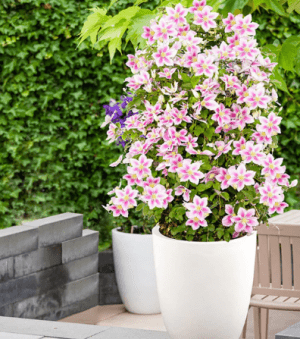
Hot summers and water restrictions can make gardening feel like a challenge. Fortunately, many plants have evolved to survive in harsh conditions where rainfall is scarce, and temperatures regularly soar.
These resilient plants store water, develop deep root systems, or have special foliage that reduces moisture loss, allowing them to thrive where more delicate plants struggle.
Whether you’re creating a low-maintenance landscape, reducing your water bill, or simply looking for plants that can withstand neglect, drought-tolerant species are an excellent choice.
Keep in mind that even the toughest plants need regular watering during their first growing season while they establish healthy root systems. Once established, however, they can often flourish with little additional care.
Here are my15 best plants that love the heat and can handle long periods with very little water.
Lavender
Lavender is one of the most reliable plants for hot, sunny gardens. Native to the Mediterranean, it thrives in dry conditions and rewards gardeners with fragrant purple flowers that attract bees and butterflies. Once established, lavender rarely needs supplemental watering except during prolonged drought.
Why Lavender Does Well
- Develops deep roots that help it find moisture beneath the soil surface.
- Narrow, silvery leaves reduce water loss and reflect intense sunlight.
- Prefers dry soil and actually performs better with less frequent watering.
Growing Tips
- USDA Zones: 5–9
- Sun: Full sun
- Soil: Sandy, well-drained soil
Agave
Agave is famous for surviving in deserts where rainfall is extremely limited. Its striking rosette of thick, fleshy leaves makes it both attractive and incredibly resilient.
Why Agave Does Well
- Thick succulent leaves store large amounts of water.
- Waxy leaf coating minimizes moisture evaporation.
- Requires almost no irrigation after becoming established.
Growing Tips
- USDA Zones: 8–11
- Sun: Full sun
- Soil: Fast-draining sandy or rocky soil
Yucca
Yucca is practically built for extreme heat. Its sword-like leaves remain attractive year-round, while tall flower spikes add dramatic interest during summer.
Why Yucca Does Well
- Extensive root system searches deeply for water.
- Tough leaves lose very little moisture.
- Easily tolerates poor, dry soils.
Growing Tips
- USDA Zones: 4–11 (varies by species)
- Sun: Full sun
- Soil: Well-drained soil
Russian Sage
Russian sage is prized for its airy purple flowers and silver foliage that bloom throughout summer even in scorching temperatures.
Why Russian Sage Does Well
- Silvery foliage reflects sunlight and reduces heat stress.
- Deep roots allow it to survive long dry periods.
- Thrives in poor, dry soils where many plants fail.
Growing Tips
- USDA Zones: 4–9
- Sun: Full sun
- Soil: Well-drained soil
Sedum (Stonecrop)
Sedum is one of the easiest drought-tolerant plants to grow. Available in both upright and creeping varieties, it provides colorful foliage and attractive flowers.
Why Sedum Does Well
- Succulent leaves store water for dry periods.
- Thrives in shallow, rocky soils.
- Needs very little maintenance once established.
Growing Tips
- USDA Zones: 3–10
- Sun: Full sun
- Soil: Sandy, well-drained soil
Coneflower
Coneflowers are native prairie plants that naturally withstand blazing summers and infrequent rainfall. Their colorful blooms also attract bees, butterflies, and birds.
Why Coneflower Does Well
- Deep taproots access moisture far below the surface.
- Native adaptation makes it highly drought-resistant.
- Continues blooming despite summer heat.
Growing Tips
- USDA Zones: 3–9
- Sun: Full sun
- Soil: Average, well-drained soil
Blanket Flower (Gaillardia)
Blanket flowers provide months of vibrant red, orange, and yellow blooms while requiring very little attention.
Why Blanket Flower Does Well
- Naturally adapted to hot, dry prairie conditions.
- Performs well in nutrient-poor soil.
- Keeps blooming even during extended heat waves.
Growing Tips
- USDA Zones: 3–10
- Sun: Full sun
- Soil: Well-drained soil
Rosemary
Rosemary isn’t just a flavorful herb—it also thrives in dry gardens and hot climates with very little care.
Why Rosemary Does Well
- Needle-like leaves reduce water loss.
- Woody stems tolerate prolonged drought.
- Mediterranean origins make it highly heat-tolerant.
Growing Tips
- USDA Zones: 8–11
- Sun: Full sun
- Soil: Sandy, well-drained soil
Lantana
Lantana is a favorite in warm climates because it flowers continuously through summer while handling drought with ease.
Why Lantana Does Well
- Quickly rebounds after dry periods.
- Thick leaves conserve moisture.
- Loves intense sunlight and high temperatures.
Growing Tips
- USDA Zones: 8–11
- Sun: Full sun
- Soil: Well-drained soil
Oleander
Oleander is a large flowering shrub often planted along highways because it tolerates extreme heat and neglect.
Note: All parts of oleander are toxic if ingested. Plant it away from areas where children or pets may come into contact with it.
Why Oleander Does Well
- Deep root system helps it find underground moisture.
- Thick evergreen leaves resist water loss.
- Handles prolonged heat with minimal irrigation.
Growing Tips
- USDA Zones: 8–11
- Sun: Full sun
- Soil: Well-drained soil
Portulaca (Moss Rose)
Portulaca is a colorful annual that thrives where many flowers fail, producing brilliant blooms throughout the hottest months.
Why Portulaca Does Well
- Succulent stems and leaves store water.
- Flourishes in poor, dry soil.
- Continues flowering during intense summer heat.
Growing Tips
- USDA Zones: Annual in most climates
- Sun: Full sun
- Soil: Sandy soil
Red Hot Poker
Known for its dramatic torch-like flowers, Red Hot Poker adds height and vibrant color to drought-tolerant landscapes.
Why Red Hot Poker Does Well
- Thick roots store moisture.
- Thrives in hot, sunny conditions.
- Requires little supplemental watering after establishment.
Growing Tips
- USDA Zones: 5–9
- Sun: Full sun
- Soil: Well-drained soil
Artemisia
Artemisia is grown mainly for its attractive silver foliage, which provides beautiful contrast in sunny borders.
Why Artemisia Does Well
- Silvery leaves reflect sunlight.
- Aromatic foliage discourages moisture loss.
- Performs exceptionally well in dry, rocky soil.
Growing Tips
- USDA Zones: 3–8
- Sun: Full sun
- Soil: Well-drained soil
California Poppy
California poppies brighten gardens with cheerful orange blooms and often reseed themselves year after year.
Why California Poppy Does Well
- Naturally adapted to dry western climates.
- Requires very little water after germination.
- Self-seeds easily in dry landscapes.
Growing Tips
- USDA Zones: 6–10
- Sun: Full sun
- Soil: Sandy or rocky soil
Prickly Pear Cactus
Prickly pear cactus is one of the toughest plants available. It stores enough water to survive long periods without rainfall while producing colorful flowers and edible fruits.
Why Prickly Pear Cactus Does Well
- Thick pads store large reserves of water.
- Waxy skin greatly reduces evaporation.
- Extremely efficient at surviving prolonged drought.
Growing Tips
- USDA Zones: 4–11 (species dependent)
- Sun: Full sun
- Soil: Fast-draining sandy or gravelly soil
Tips for Growing Plants That Thrive Without Much Water
Even drought-tolerant plants perform best when given the right growing conditions.
- Water deeply but less often to encourage deeper roots.
- Improve drainage by adding sand or gravel to heavy soils.
- Apply a 2–3 inch layer of mulch to reduce evaporation and keep roots cool.
- Avoid watering late in the evening, as damp soil overnight can encourage disease.
- Give new plants consistent water during their first growing season to help establish strong roots.
- Group plants with similar water needs together for more efficient irrigation.
Common Mistakes That Can Kill Drought-Tolerant Plants
Many gardeners accidentally harm drought-resistant plants by caring for them like thirsty flowers.
Watering Too Often
The most common mistake is overwatering. Plants such as agave, yucca, lavender, and sedum are far more likely to suffer from root rot than from temporary dry soil.
Planting in Poorly Drained Soil
Heavy clay traps moisture around the roots, increasing the risk of fungal diseases. Improve drainage or use raised beds if your soil remains wet after rain.
Giving Too Much Fertilizer
Excess fertilizer encourages rapid, soft growth that requires more water and is less tolerant of heat. Most drought-tolerant plants need only light feeding, if any.
Choosing the Wrong Location
These plants are built for sunshine. Planting them in too much shade can reduce flowering, weaken growth, and make them more susceptible to disease.
Watering Shallowly
Frequent light watering keeps roots near the surface, making plants less resilient during dry spells. Instead, water deeply and allow the soil to dry between waterings.
Frequently Asked Questions
Can these plants survive without water forever?
No. While these plants are exceptionally drought-tolerant, they still benefit from occasional deep watering during extended droughts. Established plants simply need far less water than most garden varieties.
Which plant requires the least water?
Prickly pear cactus, agave, yucca, and sedum are among the most water-efficient plants and can often go weeks without supplemental watering once established.
Can these plants grow in containers?
Yes. Many, including lavender, rosemary, sedum, agave, and portulaca, perform very well in pots as long as the container has drainage holes and a fast-draining potting mix.
Are these plants suitable for beginner gardeners?
Absolutely. Their ability to tolerate heat, drought, and occasional neglect makes them ideal for beginners or anyone looking for a low-maintenance garden.
My Final Thoughts
Creating a beautiful garden doesn’t have to mean spending hours watering every week. By choosing plants that naturally thrive in hot, dry conditions, you can enjoy vibrant flowers, striking foliage, and year-round interest while using far less water.
With the right placement, well-drained soil, and only occasional watering after establishment, my garden remains healthy and colorful even during the hottest, driest months of the year.
If you are interested in growing flowers and plants and DIY flower arrangements, consider subscribing to my newsletter. Additionally, follow me on Pinterest to discover more amazing pins.