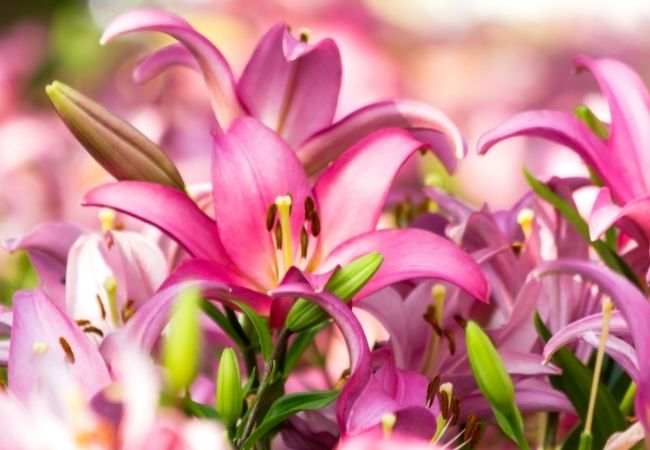
Mosquitoes, flies, ants, and other unwanted bugs can quickly make spending time in your space less enjoyable. Many herbs and flowers contain natural oils and compounds that produce strong scents insects may dislike.
While there are many commercial insect repellents available, you can also make your garden less inviting to certain pests by growing aromatic plants.
Plants such as lavender, basil, rosemary, mint, and marigolds can add beauty and fragrance to your garden while helping reduce insect activity around patios, balconies, windows, and other outdoor spaces.
Lavender
Lavender is one of the most popular plants for creating a fragrant, relaxing outdoor space, but its strong aroma also makes the area less appealing to certain insects.
Its fragrant oils are commonly associated with deterring mosquitoes, flies, moths, and fleas. Lavender also produces beautiful purple flowers, making it an attractive choice for borders, containers, and patios.
Grow lavender in a sunny location with well-draining soil. Place containers near outdoor seating areas, walkways, doors, or windows where you can enjoy its fragrance.
Citronella Grass
Citronella is probably one of the first plants people think of when they hear about natural mosquito control. Citronella grass has a strong lemon-like fragrance and is widely associated with mosquito-repelling products.
It grows best in warm conditions with plenty of sunlight and consistently moist, well-draining soil.
In cooler climates, it can be grown in a container and moved indoors when temperatures drop. Place citronella grass near patios, balconies, or outdoor seating areas.
Marigolds
Marigolds are colorful, easy-to-grow flowers that can do more than brighten up your garden. Their distinctive scent may help discourage mosquitoes and some unwanted garden pests.
They are especially useful around vegetable gardens, where their bright flowers can add a splash of color while making the garden less attractive to certain insects.
Plant marigolds in full sun and well-draining soil. They work particularly well along garden borders, around raised beds, and in containers near outdoor areas.
Basil
Basil is a kitchen favorite that can also be useful around outdoor living spaces. Its aromatic leaves contain fragrant oils that may help discourage mosquitoes and flies.
You can grow it in a pot near the kitchen, on a balcony, or beside an outdoor dining area and have fresh leaves available for cooking.
Basil prefers plenty of sunlight, warm temperatures, and consistently moist but not waterlogged soil. Regular harvesting encourages new growth and helps keep the plant bushy.
Rosemary
Rosemary’s powerful woody fragrance makes it a useful addition to an insect-conscious garden. Its aromatic oils are associated with deterring mosquitoes and several other insects.
Rosemary is also an excellent culinary herb, so you get two benefits from growing it. It can be planted directly in the garden or kept in containers near a patio or outdoor kitchen.
Give rosemary plenty of sunlight and excellent drainage. Allow the soil to dry somewhat between waterings.
Peppermint
Peppermint produces an intense, refreshing scent that many people enjoy but that can be unpleasant to certain insects. Its strong aroma makes it a popular choice for gardens where homeowners want fragrant plants that may help discourage pests.
Peppermint grows quickly and can spread aggressively when planted directly in the ground. For this reason, containers are often the better option.
Place pots around patios, balconies, entrances, or other areas where people spend time outdoors. Keep the plant watered and provide partial to full sunlight depending on your climate.
Lemongrass
Lemongrass is another attractive plant with a strong citrus fragrance. Its aromatic profile makes it a popular choice for gardens designed to discourage mosquitoes.
The tall, grass-like foliage also adds texture to containers and tropical-style landscapes. It grows best in warm weather with plenty of sunlight and regular moisture.
Lemongrass is particularly useful for patios and balconies because it can be grown in large containers.
Catnip
Catnip is best known for its effect on cats, but this member of the mint family has another interesting quality: its aromatic compounds are associated with mosquito deterrence.
It is relatively easy to grow and can tolerate a range of conditions once established. Like other members of the mint family, however, it can spread quickly, so containers may be preferable if you want to keep it contained.
Plant catnip in a sunny or partially shaded location with well-draining soil. If you have cats, expect them to take an interest in the plant!
Chrysanthemums
Chrysanthemums are popular ornamental flowers available in an enormous variety of colors. They also contain naturally occurring compounds used in some insect-control products.
Growing chrysanthemums can therefore provide both visual appeal and a potential benefit against certain garden pests.
They prefer plenty of sunlight and fertile, well-draining soil. Plant them along borders, around patios, or in containers.
Sage
Sage is another strongly scented herb that can be useful in the garden. Its aromatic leaves contain natural oils that produce the distinctive fragrance many people associate with the herb.
Grow sage in a sunny location with well-draining soil. It generally prefers conditions that are not overly wet, making it a good choice for dry or Mediterranean-style gardens.
Keep sage near patios, outdoor kitchens, or seating areas. You can also harvest the leaves for cooking, making it another practical addition to the garden.
Mint
Mint’s intense fragrance is one of its most recognizable characteristics. That strong scent may help discourage mosquitoes, ants, flies, and other unwanted insects in the immediate area.
There are many varieties of mint, including spearmint and peppermint, giving you plenty of options for your garden.
The main drawback is that mint can spread rapidly. Growing it in containers is usually the easiest way to control it. Place containers around patios, balconies, or outdoor dining areas for easy access to the fragrant foliage.
Lemon Balm
Lemon balm produces a pleasant citrusy fragrance and belongs to the same plant family as mint. Its aromatic leaves make it a popular choice for gardens where fragrant plants are desired.
Because it can spread vigorously, containers are useful if you want to prevent it from taking over nearby areas.
Grow lemon balm in a sunny or partially shaded location. Keep the soil moderately moist and harvest the leaves regularly to encourage fresh growth.
Bee Balm
Bee balm is a beautiful flowering plant that can add height, color, and pollinator-friendly appeal to your garden.
Unlike plants intended to discourage insects, bee balm attracts beneficial pollinators such as bees and butterflies. This makes it especially useful when your goal is to reduce nuisance insects while supporting helpful garden visitors.
Plant bee balm in a sunny location with fertile, well-draining soil. It works beautifully in flower borders and cottage-style gardens.
Eucalyptus
Eucalyptus is famous for its distinctive, powerful fragrance. Its leaves contain aromatic oils that are associated with mosquito deterrence, making eucalyptus an interesting option for suitable gardens.
Eucalyptus trees can become quite large, so they are not appropriate for every garden. Smaller varieties can sometimes be grown in containers when space is limited.
Give eucalyptus plenty of sunlight and good drainage. If you are growing it in a container, regular pruning can help maintain a manageable size.
Geraniums
Scented geraniums are popular container plants because they combine attractive foliage with fragrant leaves. Some varieties produce citrus-like scents that can make outdoor areas smell fresh and pleasant.
They are particularly useful on balconies, patios, window boxes, and around outdoor seating areas.
Grow scented geraniums in a sunny location with well-draining soil. Avoid keeping the roots constantly wet, and remove damaged foliage to encourage healthy growth.
How to Get the Most From Mosquito-Repelling Plants
Choosing the right plants is only part of creating an insect-conscious garden. How you position and care for them can also make a difference.
Plant Several Fragrant Varieties Together: Instead of relying on one plant, combine several aromatic herbs and flowers.
Place Plants Where You Spend Time: Plant fragrant varieties around patios, balconies, outdoor dining areas, walkways, and entrances rather than putting them in a distant corner of the garden.
Use Containers: Containers allow you to position plants exactly where they are most useful. They are particularly helpful for aggressive spreaders such as mint and lemon balm.
Keep Plants Healthy: Provide each plant with the sunlight, water, soil, and drainage it needs. Healthy plants generally produce vigorous foliage and, in aromatic species, plenty of fragrant oils.
Combine Plants With Good Garden Maintenance: Plants alone will not solve a mosquito problem. Removing standing water and reducing other conditions that encourage mosquitoes is just as important.
Do Mosquito-Repelling Plants Really Work?
There is an important distinction between a plant containing insect-deterring compounds and simply having that plant sitting nearby.
Many aromatic plants contain oils or other compounds that can affect insects. However, the concentration of those compounds, the plant variety, airflow, temperature, and the size of the area can all influence how effective the plant is.
Other Ways to Reduce Mosquitoes and Bugs
For better results, combine insect-deterring plants with basic pest-prevention habits.
Remove standing water: Mosquitoes can breed in small amounts of stagnant water. Empty buckets, plant saucers, containers, and other items that collect rainwater.
Keep gutters clear: Blocked gutters can hold stagnant water and create breeding sites.
Avoid excessive moisture: Fix leaking outdoor faucets and avoid allowing water to remain around patios and garden areas.
Use screens: Window and door screens can prevent mosquitoes and flies from entering your home.
Keep vegetation trimmed: Overgrown vegetation can provide cool, sheltered areas where mosquitoes and other pests can hide.
Maintain outdoor areas: Regularly remove fallen leaves, excess plant debris, and other materials that can provide shelter for unwanted insects.
My Final Thoughts
I love growing insect-deterring plants because it is an easy way to make my garden more beautiful, fragrant, and potentially less attractive to certain unwanted bugs.
If you are interested in growing flowers and plants and DIY flower arrangements, consider subscribing to my newsletter. Additionally, follow me on Pinterest to discover more amazing pins.