I love water-grown plants because they are low-maintenance, visually striking, and perfect for small spaces, apartments, dorm rooms, and beginners who want greenery without the mess.
Growing plants doesn’t always require soil, pots, or a garden. In fact, many popular houseplants and herbs thrive beautifully in nothing more than a jar of water.
Whether you’re decorating a windowsill, refreshing your kitchen counter, or experimenting with hydroponic growing, these plants can live happily in water jars for months (or even years) with proper care.
Why Grow Plants in Water Jars?
Growing plants in water isn’t just trendy, it’s practical. All you need is a healthy cutting, a clean jar, fresh water, and the right light. Key benefits include:
- No soil mess or fungus gnats
- Minimal watering mistakes
- Easy root monitoring
- Budget-friendly propagation
- Modern, minimalist aesthetic
- Ideal for renters and small homes
Lucky Bamboo
Lucky bamboo is one of the most popular plants grown in water, known for its resilience and symbolic meaning. Lucky bamboo meaning and symbolism guide.
Why it thrives in water: This plant naturally grows along riverbanks and adapts easily to standing water environments.
Care requirements: Use distilled or filtered water to avoid fluoride damage. Keep roots submerged but stems dry. Change water every 7-10 days
Light needs: Bright, indirect light. Direct sun can scorch the leaves.
Bonus tip: Arrange stalks in decorative glass jars with pebbles for stability and visual appeal.
Pothos (Devil’s Ivy)
Pothos is one of the easiest plants to grow in water and is almost impossible to kill.
Why it’s perfect for jars: It roots quickly, grows fast, and tolerates low light.
How to grow it: Cut a stem just below a node. Remove lower leaves and place the node underwater.
Light needs: Low to bright indirect light.
Maintenance: Change water weekly and trim roots if they become tangled.
Philodendron
Philodendrons are close cousins of pothos and adapt equally well to water growth.
Best varieties for water jars: Heartleaf philodendron, Brasil philodendron, and Lemon lime philodendron.
Growth expectations: Roots usually appear within 7-14 days.
Long-term care: They can live permanently in water if water is refreshed regularly and nutrients are added occasionally.
Spider Plant
Spider plants produce baby offshoots that are perfect for water propagation. Spider plant growing and care guide.
How to start: Cut a healthy spiderette and place the base in water. Make sure to keep the leaves above water.
Root development: Roots form quickly, often within one week.
Jar size: Wide-mouth jars prevent overcrowding.
English Ivy
English ivy adds a classic, trailing look to shelves and windows.
Why it works in water: It roots easily from cuttings and prefers cool indoor conditions.
Care tips: Change water every week, avoid hot, direct sunlight, and trim long vines to encourage fullness.
Design idea: Let ivy trail down glass jars on floating shelves.
Mint
Mint is one of the best edible plants to grow in water jars.
How to grow mint in water: Use fresh, non-flowering stems, remove lower leaves, and place the stems in clean water.
Sunlight: Provide bright indirect light or morning sun.
Harvesting: Snip leaves regularly to encourage new growth.
Basil
Basil can thrive in water for weeks to months when cared for properly.
Best varieties: Sweet basil and Genovese basil.
Care tips: Change water every 2–3 days, and keep the plant in bright sunlight. Pinch tops to prevent flowering.
Note: Basil grows best in water short-term and may need re-cutting for longevity.
Rosemary
Rosemary can grow in water, but patience is required.
Best approach: Use young, soft stems, remove lower leaves, and place in bright light. Rooting time is about 2-4 weeks.
Important: Once rooted, rosemary prefers soil for long-term growth, but water propagation is excellent for starting plants.
Green Onion (Scallions)
Green onions are the fastest and easiest kitchen scraps to regrow in water.
How to regrow: Place the root base in a jar, add just enough water to cover the roots. New shoots appear within days.
Harvesting: Cut as needed and allow regrowth.
Peace Lily
Peace lilies can live in water indefinitely when transitioned properly.
How to convert from soil: Gently rinse soil from roots and place the roots fully underwater.
Light: Provide medium to bright indirect light.
Signs of stress: Yellowing leaves indicate poor water quality or low light.
Coleus
I love growing Coleus plants. Coleus plants are prized for their bold, colorful foliage. Check out this post on how to grow and care for coleus plants.
Why it’s ideal for water jars: It roots quickly and maintains vibrant color in good light.
Light needs: Bright indirect light or filtered sun.
Maintenance: Pinch tips to keep plants bushy.
Begonia
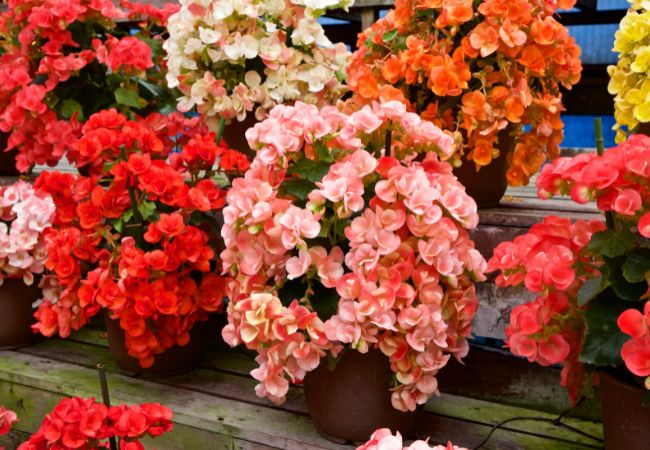
Many begonias root successfully in water. Check this post on different varieties and care guides for different begonias.
Best types: Cane begonias and Angel wing begonias.
Humidity: Moderate humidity helps prevent leaf drop.
Display tip: Use clear jars to showcase intricate roots.
Wandering Jew (Tradescantia)
Tradescantia is one of the fastest-growing water plants.
Why it’s beginner-friendly: Roots in days, extremely forgiving, and rewards the owner with vibrant color.
Light: Bright light enhances purple and pink tones.
Sweet Potato Vine
Most people don’t view sweet potatoes as indoor plants. Sweet potato vines are dramatic and decorative and make very good indoor plants.
How to grow: Suspend a sweet potato over water using toothpicks. Roots grow downward and vines upwards.
Growth habit: Fast and lush with regular pruning.
Best use: Statement piece for windowsills.
Chinese Evergreen (Aglaonema)
I love Chinese evergreen because it is a low-light champion. Perfect for low-light rooms in the house. Chinese Evergreen growing and care guide.
Why it works in water: Thick roots tolerate constant moisture.
Light: Low to medium indirect light.
Longevity: Can live in water for years with routine care.
General Care Tips for Water-Grown Plants
- Change water every 7–10 days
- Use filtered or dechlorinated water
- Rinse roots during water changes
- Remove decaying leaves immediately
- Add diluted liquid fertilizer once a month (optional)
Best Jars and Containers to Use
- Clear glass jars for root monitoring
- Narrow-neck bottles for stem support
- Recycled jars (mason jars, candle jars)
- Weighted containers to prevent tipping
Common Problems and How to Fix Them
Yellow leaves:
Low light or poor water quality
Slimy roots:
Change water immediately and rinse roots
Algae growth:
Move jars away from direct sunlight
Slow growth:
Add light or a drop of liquid nutrients
My Final Thoughts
Growing plants in water jars is one of the easiest and most satisfying ways to bring greenery into your home. With minimal effort and almost no cost, you can create living décor that’s fresh, flexible, and endlessly customizable.
If you are interested in growing flowers and plants and DIY flower arrangements, consider subscribing to my newsletter. Additionally, follow me on Pinterest to discover more amazing pins.